
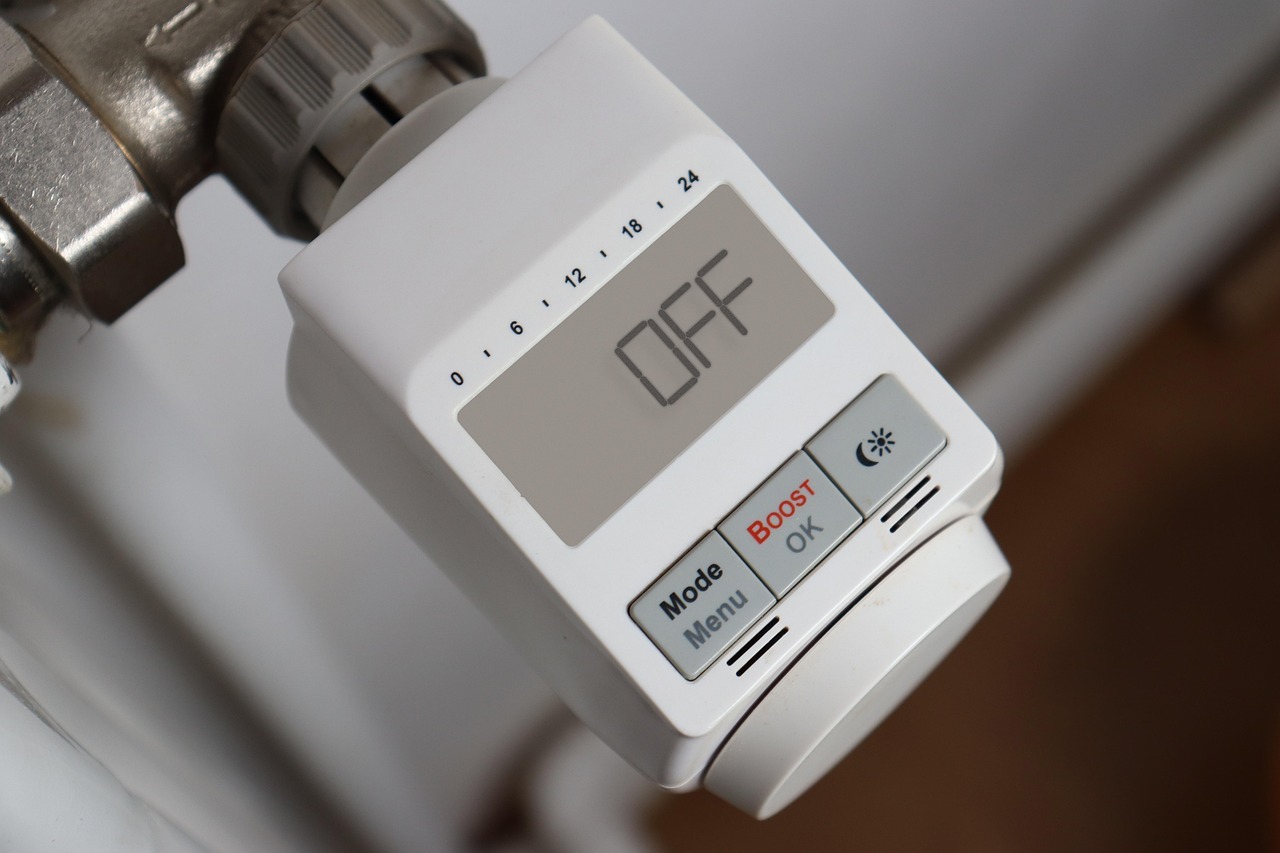
Between buying gifts, attending Christmas parties and covering all your usual expenses, winter spending can quickly rise beyond your budget. When those expenses include the costs of running your first home, it’s understandable if the prospect of managing your winter budget feels daunting. But a little careful planning can go a long way, especially while you get used to navigating your new financial commitment.
Whether you’ve already purchased or are considering buying one of our Shared Ownership apartments, here’s how to make some smart winter savings in your new home.
Understand your home’s energy profile
Get to know the energy-efficient features
Our new-build homes at Cassia Oakwood are designed to maximise energy efficiency. The building features roof insulation, increased wall thickness, and highly effective double-glazing to keep warmth in during the colder months.
Compare energy tariffs to get the best deal for utilities
Use comparison sites to decide which supplier you’d like to go with. If you want to maximise savings, look out for tariffs that charge lower rates for off-peak usage.
Take regular meter readings to track your energy usage
Most suppliers ask for these monthly so they can bill you accurately, but meter readings also help you assess whether you could be more mindful about your energy usage.
Everyday efficiency
Batch cook nutritious meals
Instead of making every meal from scratch, batch cook so you only need to heat your food when the time comes. This will help you save by reducing your energy usage at mealtimes.
Air-dry clothes indoors
This is another way to reduce your energy consumption during the winter months. Instead of tumble drying, use existing heat sources like radiators to air-dry laundry. Just remember to keep rooms ventilated to prevent condensation from building up.
Manage holiday spending
Save with seasonal sales
From cyber weekend to January sales, there are loads of opportunities to save when shopping in winter. You can find great deals on everything you need to decorate your home, from furniture to gadgets.
Make a list, check it twice
It’s easy to go over budget when you’re Christmas shopping for loved ones, especially if you see a gift that you know they’ll really love. Creating a list of who you’re buying presents for and how much you’re willing to spend will help you stay within budget.
Book travel in advance
If you’ll be travelling over the holidays to see family or friends, booking tickets and accommodation in advance can help you save on travel costs and avoid last-minute price hikes.
Do an end-of-year spending review
Audit subscriptions
Look at your monthly outgoings and make a list of the subscriptions you’re paying for. You can then cross-reference these expenses with the services you actually use – you might just find that there are some regular payments silently draining your bank account. After all, it’s so easy to sign up for a free trial, use it once or twice, and then forget to cancel or pause the subscription. Elsewhere, you could swap to free services with ads or choose a slightly cheaper subscription tier to stretch your budget further.
Shop around for savings accounts
Maximising your savings often comes down to the type of savings account you hold, which is why it’s important to shop around. The best account for you will depend on your savings goals. For instance, if you’re saving for a rainy day, you’ll want an account that allows you to withdraw money whenever you need to. Alternatively, if you’re saving for the long term, you may prefer an account that offers a higher interest rate.
Plan for the year ahead
Set financial goals
Winter is a great time to do a financial self-check so you can start the new year with clarity and confidence – and maybe some budgeting resolutions to keep you on track. Whether you plan to staircase your Shared Ownership home or want to boost your ISA balance, setting a financial goal now could help you get there in the future.
Start an emergency fund
Being a homeowner means being responsible for home maintenance, which can sometimes bring unexpected costs. That’s why setting aside an emergency fund is a wise idea. It can give you peace of mind knowing you have a savings pot to fall back on in case anything happens out of the blue.
Shared Ownership: helping you buy a home within your budget
As a first-time buyer, it’s important to understand your affordability and the costs associated with owning a home. By planning carefully and spending within your means, you can keep your budget in check during winter.
If you’re exploring options as a first-time buyer, consider Shared Ownership. This government-backed scheme is designed to help you get onto the property ladder within your budget. It allows you to buy a share in a home while paying rent on the remaining part and gives you the option to increase your share when you’re able to afford it in the future.
Learn more about buying a Shared Ownership home with us and explore our available new-build apartments.

